


Are Pallets Insured? What Wholesale Buyers Need
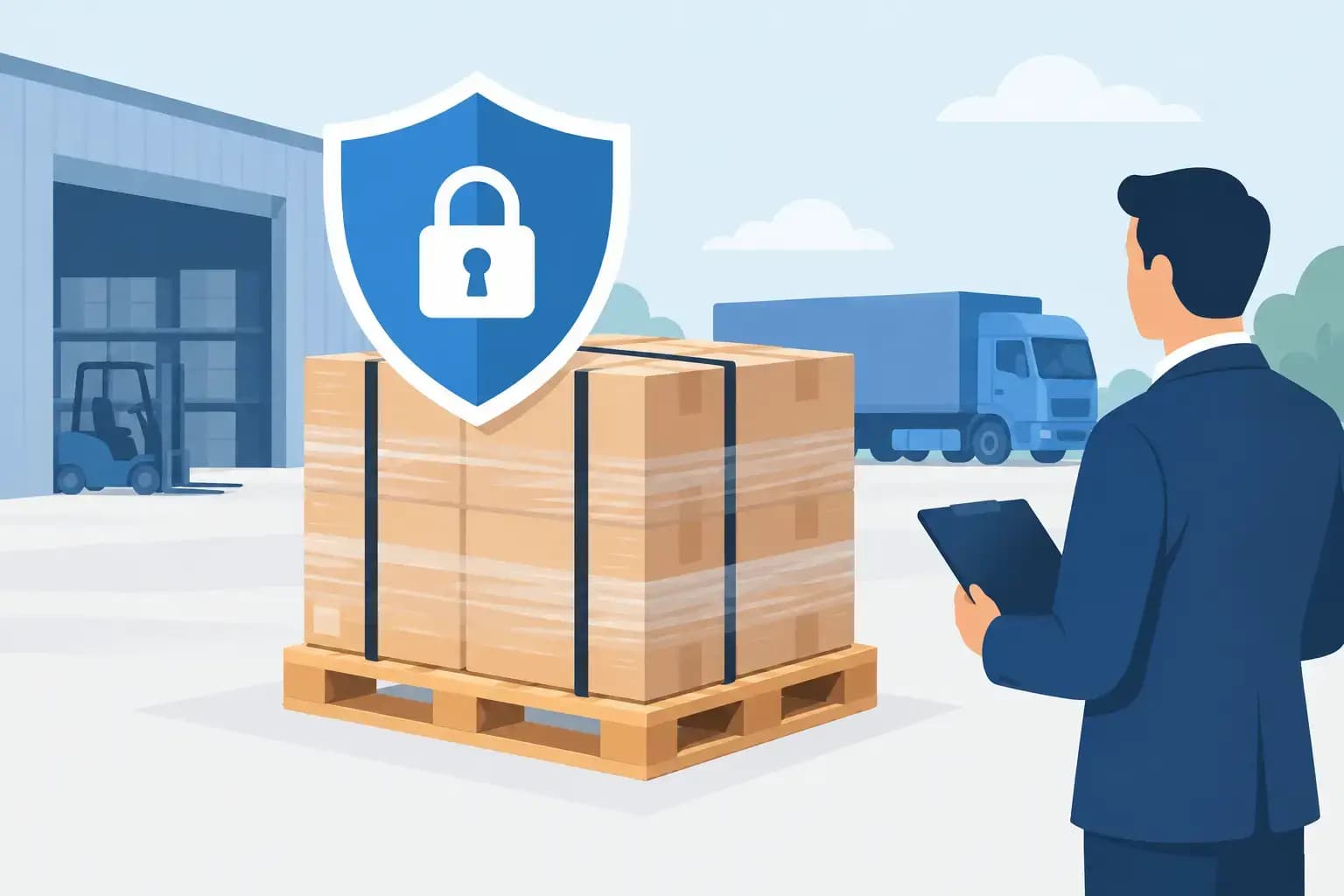
A pallet of closeout goods can carry $5,000, $25,000, or far more in resale value. If it is damaged in transit, arrives short, or disappears between a warehouse and a port, the first question is simple: are pallets insured? The practical answer is: sometimes, but never assume they are. Coverage depends on the sale terms, the transport method, the carrier’s limits, and who arranged the shipment.
For liquidation buyers, importers, and wholesale resellers, insurance is not a minor shipping detail. It protects the margin you calculated when you approved the deal. Before money changes hands, know exactly when risk transfers and what protection is actually in place.
Are Pallets Insured by the Carrier?
Most carriers provide liability coverage, not full insurance. That distinction matters.
Carrier liability is the amount a trucking company, courier, airline, or ocean carrier may be legally required to pay if it is proven responsible for loss or damage. It is often limited by weight, package classification, shipping rules, or international conventions. The limit may be far below the commercial value of a pallet of branded footwear, consumer electronics, tools, or household goods.
A carrier may also deny or reduce a claim if the pallet was poorly packed, incorrectly declared, loaded by another party, delivered without a damage notation, or affected by an excluded event. Delays, market loss, concealed damage, theft in certain circumstances, and inadequate packaging can all create complications.
Do not treat a carrier’s standard liability as a replacement for cargo insurance. Ask for the carrier’s liability limit in writing and compare it with the invoice value of the goods, freight costs, duties, and any other amount you would need to recover after a loss.
What Cargo Insurance Can Cover
Cargo insurance is a separate policy designed to protect the financial value of goods while they move through the supply chain. Depending on the policy, it can cover loss or physical damage during road, rail, air, and ocean transport, plus temporary storage or transshipment.
The strongest policies are often described as “all-risk” coverage, but that phrase does not mean every event is covered. Policies still contain exclusions, deductibles, reporting deadlines, and conditions. Common exclusions can include inadequate packing, inherent defects in the goods, ordinary wear, war-related events, customs seizure, delay, temperature issues without specific coverage, and dishonest acts by the insured party.
For a wholesale buyer, the right coverage amount is usually not just the supplier invoice. Consider the landed value at risk. That may include the purchase cost, freight, insurance premium, customs duty, and expected handling expenses. If a load is a total loss, replacing it will cost more than the stock price alone.
The Sale Terms Decide Who Carries the Risk
Insurance follows risk, and risk is determined by the purchase agreement and shipping terms. This is where buyers can make an expensive assumption.
If goods are sold ex works, the buyer may take responsibility as soon as the supplier makes the pallets available at its warehouse. Under other terms, the seller may be responsible until the goods are loaded, delivered to a carrier, placed on board a vessel, or delivered to the named destination. The exact point changes based on the agreed Incoterms and the wording of the contract.
For example, a supplier may organize freight as a service while the buyer still carries transit risk. Conversely, a delivered-price offer may include insurance, but only to a stated value and only under specific conditions. “Shipping included” does not automatically mean “fully insured.”
Before confirming a pallet deal, get clear answers to three questions: When does risk transfer to the buyer? Who is arranging the freight? Is cargo insurance included, optional, or the buyer’s responsibility? Put the answer on the pro forma invoice, order confirmation, or transport agreement rather than relying on an email conversation or verbal assurance.
Warehouse and Storage Coverage Are Different
A pallet does not stop being exposed to risk once it reaches a warehouse. Water damage, fire, forklift impact, theft, and handling errors can occur before dispatch, during consolidation, or after delivery.
A supplier’s warehouse insurance generally protects the supplier’s property and liability. It may not automatically protect goods that have been sold to you, especially if title or risk has already transferred. A third-party logistics provider may carry warehouse legal liability, but this can be limited and may only apply when the warehouse is proven negligent.
If you are buying stock for consolidation, export, or delayed collection, ask who insures the inventory while it sits at the origin warehouse. If pallets are being held for several weeks while you build a mixed load, this point deserves more attention than it usually gets.
How to Protect High-Value Pallet Orders
The right level of protection depends on the shipment value, product type, route, and your ability to absorb a loss. A low-value domestic clearance pallet may justify limited coverage. A container of branded inventory crossing borders usually requires a more deliberate approach.
For orders with meaningful resale value, follow a disciplined process:
- Confirm the agreed Incoterms, delivery point, and exact moment risk transfers.
- Request the cargo insurance certificate or policy details before dispatch, not after a problem occurs.
- Verify the insured value, deductible, covered transport legs, exclusions, and claim deadline.
- Make sure the commercial invoice, packing list, pallet count, SKU description, and shipment value are accurate.
- Photograph pallet condition, labels, wrapping, and seal numbers before pickup and at delivery.
- Inspect every delivery before signing the proof of delivery document.
These checks are not bureaucracy. They create the evidence an insurer or carrier will request if a claim is needed. For mixed liquidation loads, accurate documents are especially valuable because a claim may depend on proving which units were on each pallet and what they were worth.
What to Do When Pallets Arrive Damaged or Short
Speed matters. A clean signature can make recovery much harder, particularly when damage was visible at delivery.
If you see crushed cartons, broken shrink wrap, wet packaging, tampered seals, missing pallets, or signs of mishandling, note the issue on the delivery receipt before the driver leaves. Take wide photos of the pallet and close photos of labels, packaging, damage, and truck condition where relevant. Count pallets and compare the shipment against the packing list.
For concealed damage discovered after unloading, notify the carrier, seller, freight forwarder, and insurer immediately. Keep the damaged goods, packaging, and pallets available for inspection. Do not dispose of stock or rework it before receiving instructions, unless you must act to prevent further damage and have documented why.
A typical claim file will need the purchase invoice, packing list, bill of lading or delivery receipt, photos, inspection report if available, correspondence, and proof of the claimed loss. If stock can be salvaged and sold at a reduced price, record the resale recovery. Insurance usually addresses the net financial loss, not the original invoice value plus a second resale opportunity.
The Best Buying Decision Is a Clear One
Insurance should be discussed while the deal is still being priced, not after the truck has departed. A lower freight quote without adequate protection is not always the cheaper option. The same applies to a supplier offer that sounds delivered but leaves the buyer exposed from the warehouse door.
GLOBAL STOCKS works with buyers who move bulk inventory across markets, where clear shipping terms and accurate paperwork are part of a profitable transaction. Whether you are buying one truckload or building a larger import program, ask the insurance question early, document the answer, and insure the value you cannot afford to lose. That keeps a strong stock opportunity from becoming an avoidable claims dispute.