


Best Branded Footwear Closeouts for Resale
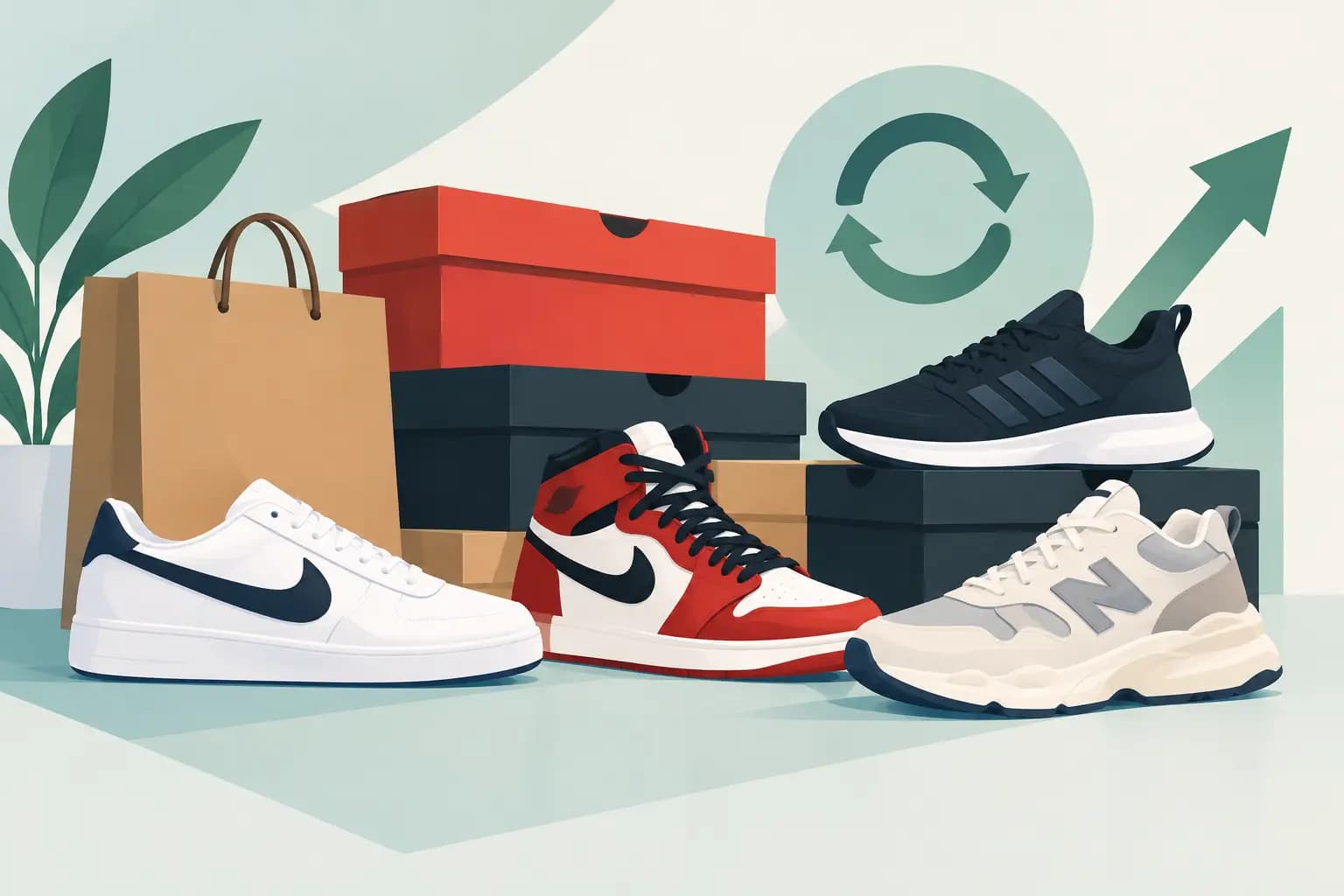
A footwear closeout can look profitable on paper and still become slow-moving inventory the moment it reaches your warehouse. The difference is rarely the logo alone. Buyers who secure the best branded footwear closeouts evaluate the full lot: brand position, size curve, season, condition, country of origin, packaging, and the real landed cost per sellable pair.
For discount chains, online sellers, importers, and regional distributors, branded footwear remains one of the strongest categories for repeat demand. It has recognizable value, clear retail price anchors, and broad customer appeal. But it is also a category where one bad size range or an unclear condition grade can lock up working capital fast. Buy the deal, not just the name.
What Makes the Best Branded Footwear Closeouts Worth Buying?
A strong closeout lot gives you room between acquisition cost and your realistic selling price. That sounds basic, but many buyers calculate margin from the original retail price instead of the price their own channel can actually achieve. A pair marked at $120 retail may move quickly at $49.99, slowly at $69.99, or not at all if competing sellers are already listing it below $40.
The best lots usually have a combination of recognized brands, commercially useful sizes, clean product presentation, and enough depth to support your sales channel. A small mixed lot can work for a marketplace seller. A chain retailer generally needs repeated styles, predictable assortments, and enough units to distribute across stores without creating fragmented displays.
Brand recognition matters, but category fit matters just as much. Athletic shoes, work footwear, casual sneakers, sandals, boots, school shoes, and comfort styles all move on different calendars. A winter boot lot can be an excellent purchase in August for a retailer that plans ahead. The same lot may be a problem in March unless the cost is low enough to support an off-season clearance strategy.
Check the Size Curve Before You Discuss Price
The size curve tells you whether the inventory can be sold as inventory, not merely counted as units. Ask for a size breakdown by style, gender, and age group whenever possible. A lot with mostly extreme sizes may carry a famous brand but still underperform.
For adult footwear, buyers should inspect whether common sizes are represented in commercially useful quantities. For children’s footwear, confirm whether the assortment follows logical age and size progression. Mixed-size pallets can work well for off-price retail, but they require clear labeling and a sales floor capable of handling assortment complexity.
Do not assume “mixed sizes” means balanced sizes. It may mean a useful spread, or it may mean leftover stock. The difference should be visible in the inventory file.
Condition and Packaging Can Change the Value Completely
Footwear closeouts arrive in several conditions: new in original boxes, new without boxes, shelf pulls, customer returns, display samples, or mixed-condition stock. These categories should never be priced the same way.
New boxed footwear generally offers the strongest resale presentation, especially for online fulfillment, gift purchases, and specialty retail. New unboxed footwear can still be profitable for outlets, market traders, and value stores, but buyers need to allow for repacking, relabeling, and a lower perceived value. Returns and shelf pulls require a more conservative approach because missing laces, cosmetic wear, mismatched pairs, or damaged packaging can increase handling costs.
Ask whether cartons are factory sealed, whether each pair is matched, and whether boxes show price stickers, security tags, or retailer-specific labels. These details affect both labor and resale channel. A lot that needs inspection pair by pair may be inexpensive, but it is not necessarily cheap once warehouse labor is included.
How to Price Branded Footwear Closeouts for Real Margin
Start with the landed cost, not the supplier’s unit price. Your actual cost per pair includes purchase price, freight, insurance, duties, customs handling, pallet preparation, local transport, and expected sorting or repacking. If the lot has a known defect rate, reserve for that too.
Then use a realistic net selling price. For an e-commerce seller, that means deducting marketplace commissions, payment processing, outbound shipping, return rates, advertising, and customer service. For a retailer, it means accounting for store labor, markdowns, rent, and expected shrink. For a distributor, it means leaving enough room for your customer to make money after their own costs.
A practical buying calculation is simple: decide what you can sell the goods for, subtract every selling and handling cost, then set the maximum purchase price that still protects your required margin. Do not let a dramatic stated discount replace this calculation. A 75% discount from an inflated recommended retail price does not guarantee a profitable resale.
Price pressure also varies by channel. Popular sneaker styles can be highly visible online, where buyers compare prices instantly. Less searchable footwear, such as private-label comfort shoes or seasonal boots, may perform better through physical discount stores where presentation and price signage drive the purchase.
Documents That Protect a Footwear Closeout Purchase
Clear paperwork is part of the product. Before committing to a large quantity, request an invoice or pro forma invoice that identifies the goods, quantities, pricing, Incoterms, payment terms, and origin. For branded inventory, ask what documentation supports the source of the goods and the right to resell them in your target market.
Brand restrictions, regional distribution agreements, and marketplace rules can affect where and how you sell. A product may be legitimate stock but still be unsuitable for a specific platform or territory. That is especially relevant for importers who plan to sell under brand names online. Check the requirements of your intended sales channel before the stock is on the water.
For international shipments, confirm the commodity description, country of origin, carton count, gross weight, pallet count, and applicable tariff classification with your customs broker. Footwear classifications can be detailed, and duty costs may vary based on materials and construction. Do not leave this until after payment.
Best Branded Footwear Closeouts by Sales Channel
The right closeout depends on how you sell it. There is no universal “best” lot.
E-commerce sellers often benefit from new, boxed pairs with clean UPC or SKU data, clear images, and repeatable styles. The assortment should be manageable enough to list accurately and fulfill without excessive picking errors. A very broad mixed pallet may produce good margins, but it can consume weeks of listing and quality-control time.
Discount retailers can take more assortment risk when the price is compelling. Mixed branded footwear, especially casual, athletic, and family styles, can create strong value displays. Here, the ability to price visibly below department-store levels often matters more than having every size in every style.
Distributors and chain-store buyers need volume, consistency, and replenishment potential. They should prioritize lots with organized manifests, deeper quantities by SKU, and a clear plan for regional allocation. A 500-pair lot may be attractive for one outlet but irrelevant for a 30-store network.
Export buyers must also consider climate, local sizing preferences, and consumer demand in the destination country. Lightweight sandals may move quickly in one market and sit in another. Work boots, school shoes, and basic athletic styles tend to be less trend-dependent, but even these require the right price point and size mix.
Questions to Ask Before You Buy a Footwear Lot
Request answers before funds are committed. You need to know the total pair count, styles, brands, size range, condition grade, packaging status, origin, and whether a detailed manifest is available. Confirm if the images represent the exact stock or only a similar lot. Ask whether the inventory is available for immediate loading and whether quantities are subject to prior sale.
Also establish the logistics plan early. Determine whether the offer is ex-warehouse, FOB, CIF, or delivered to your location, and confirm who handles export documents and booking. A low unit price can lose its advantage if collection deadlines, freight arrangements, or customs paperwork are unclear.
For high-value branded lots, inspection is worth considering. It can be performed through your own representative or an agreed third party, depending on the deal structure and location. Inspection will not eliminate every risk, but it can verify quantities, general condition, box status, and product consistency before shipment.
Turn Closeout Speed Into a Buying Advantage
Closeout inventory is not a permanent catalog. The best lots move because other buyers can see the same opportunity. That does not mean buying blindly under pressure. It means having a clear approval process, a target landed-cost model, and a freight contact ready before the right inventory appears.
GLOBAL STOCKS supports buyers looking for large-quantity branded stock across markets, with current offers that can be evaluated by units, origin, price, and shipment requirements. The practical advantage comes from moving from offer review to verified purchase without losing time on basic sourcing questions.
The next profitable footwear deal is usually not the lot with the biggest advertised discount. It is the lot that matches your customer, your sales channel, your warehouse capacity, and your true resale price. Get those four points right, and the closeout has a real chance to turn quickly.