


7 Best Liquidation Niches for Beginners
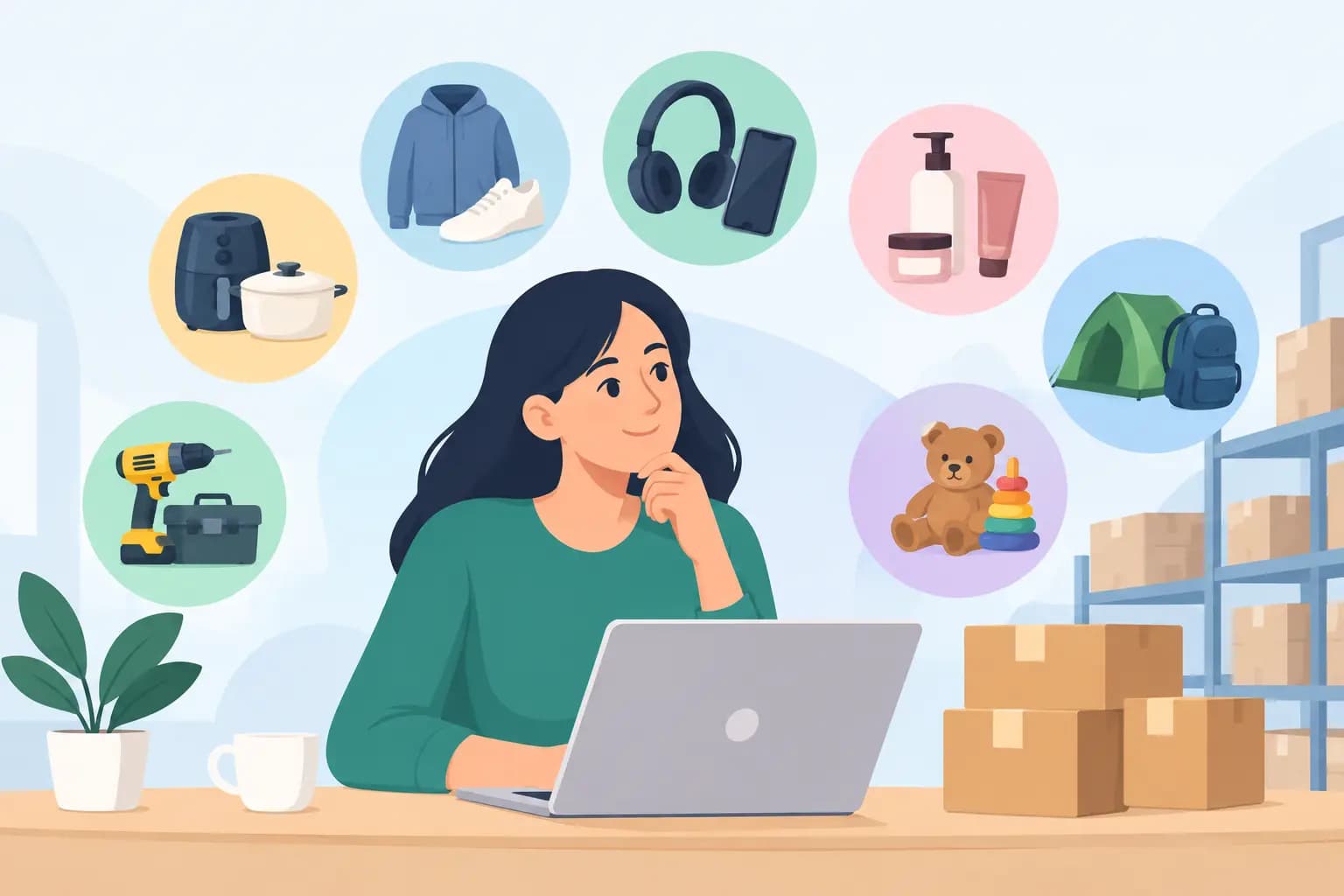
A pallet can look like a bargain and still become expensive inventory if it sits for six months. The best liquidation niches for beginners are not necessarily the products with the biggest retail price tags. They are categories with steady demand, understandable condition standards, manageable shipping costs, and multiple ways to resell the goods.
For a new wholesale buyer, the goal is simple: buy stock you can inspect, price, move, and reorder with confidence. Start with products that customers already know, avoid categories that require technical testing or regulatory expertise, and keep your first purchases focused enough to measure real margins.
What Makes a Liquidation Niche Beginner-Friendly?
A good entry niche has demand that does not depend on a short-lived trend. It should also have a clear resale path, whether that is discount retail, online marketplaces, local stores, export customers, or your own distributor network. A recognizable brand helps, but it is not the only factor. A plain household item that sells every week can be a better purchase than a premium product with slow turnover.
Condition matters just as much as category. New overstock, shelf pulls, and customer returns carry very different risk levels. Beginners should prioritize new goods in original packaging or clearly described shelf pulls. Mixed returns can offer aggressive discounts, but they require sorting labor, testing capacity, and a reliable outlet for incomplete or damaged units.
Freight is the other margin killer. Small, lightweight products can often support e-commerce fulfillment. Bulky products may still work well, but usually for local retail, pallet sales, or container-level distribution. Know where your buyer is before you commit to where the inventory comes from.
7 Best Liquidation Niches for Beginners
1. Household Goods and Everyday Essentials
Household goods are one of the safest places to start because demand is broad and repeatable. Think storage products, cleaning accessories, kitchen organizers, bedding, small home decor, laundry items, and basic home supplies. These products are easy for customers to understand and easy for retailers to display.
The strongest lots contain practical, non-seasonal items in clean packaging. A buyer may accept a mixed assortment when the category remains consistent, such as housewares or home organization. Watch out for fragile items and oversized products, since breakage and freight can reduce the apparent discount quickly.
2. Cookware and Kitchen Accessories
Cookware, food storage, utensils, bakeware, drinkware, and kitchen gadgets offer strong resale potential when sourced as new branded overstock. This niche works because the end customer can immediately judge the value. A recognizable pan set or a well-packed kitchen bundle does not need a long sales explanation.
It is also flexible. Discount stores can sell individual pieces, e-commerce sellers can create bundles, and regional distributors can move sets to independent retailers. Before buying, verify packaging condition, material details, unit counts, and whether products are complete. Missing lids, broken glass, or dented presentation boxes can change the channel where the stock belongs.
3. Branded Apparel Basics
Apparel moves fast when the assortment is commercially useful. Basic T-shirts, sweatshirts, jeans, socks, underwear, workwear, and everyday sportswear usually present less risk than fashion-forward seasonal collections. The retail market is large, and buyers understand brands, sizes, and original ticket prices.
The trade-off is sizing. A lot with heavily uneven sizes can be difficult to sell at full margin, even when the brand is strong. Request size runs, gender mix, season, labels, and packaging details before pricing the deal. For beginners, a clean lot of current basics is more dependable than a large mixed-fashion liquidation with unclear assortments.
4. Footwear With Clear Size Assortments
Footwear can produce attractive margins, especially with recognized athletic, casual, work, or children's brands. It is a strong niche for outlet operators, discount retailers, online resellers, and export buyers. Original shoe boxes and clear size information make a major difference in resale speed.
Start carefully. Footwear is profitable when the inventory is sorted by model, size, and condition, not when it is a loose mix of single shoes, damaged boxes, and unmatched pairs. Ask whether the lot includes complete pairs, original packaging, and a usable size breakdown. If the data is clean, you can build targeted offers for specific customer groups instead of discounting the entire lot.
5. Toys and Licensed Character Products
Toys are a practical beginner niche because they create immediate visual appeal in stores and online listings. Board games, dolls, building sets, outdoor toys, arts and crafts, and licensed character products can move quickly when priced below normal retail. They also offer good opportunities for seasonal promotions.
The main risk is timing. Holiday-driven toys and trend-based character merchandise may lose value after a specific sales window. Focus first on evergreen products that sell throughout the year, and confirm age labeling, packaging integrity, and market compliance. Do not assume a toy approved for one country can be sold in every destination without checking local requirements.
6. Tools and Hardware Accessories
Hand tools, measuring equipment, work gloves, drill bits, fasteners, storage cases, and workshop accessories attract a broad customer base. Contractors, homeowners, independent hardware stores, and discount chains all buy practical tools. This category is especially useful for buyers who sell through physical stores or regional distribution.
Avoid starting with complicated power tools, batteries, or high-value professional equipment unless you have the ability to test units and manage warranty questions. Manual tools and accessories are easier to evaluate and ship. A mixed hardware pallet can work well when brands, item types, and quantities are clearly documented.
7. Sportswear and Fitness Accessories
Sportswear, backpacks, water bottles, yoga mats, protective gear, balls, and basic fitness accessories can deliver fast turnover when the assortment is current and practical. This niche benefits from recurring consumer demand and works across discount retail, online resale, gyms, schools, and local sporting goods outlets.
Be selective with seasonal inventory. Ski products, swimwear, and specialized outdoor gear can be excellent buys when you have the right market and selling window. For a first purchase, favor year-round products such as activewear, backpacks, socks, training accessories, and basic equipment that do not depend on one climate or one month of the year.
How to Choose Your First Lot
Do not buy a category just because the discount looks extreme. Build a simple deal calculation before you place an order. Include purchase price, freight, customs costs where applicable, unloading, storage, labor, marketplace fees, expected damage, and the cost of selling slow units at a discount. Your margin is what remains after execution, not the difference between retail price and purchase price.
Start with a quantity you can move within a realistic period. A smaller, clean pallet of fast-moving goods is often a better first transaction than a full truckload of unverified mixed merchandise. Once you know your actual sell-through rate, average selling price, and return rate, you can increase volume with far more control.
Documentation protects the deal. Request a packing list, unit count, product photos, condition description, brand information, origin market, and pallet dimensions. If inventory is cross-border, clarify the shipping terms, customs paperwork, duty exposure, and delivery timeline before funds are committed. GLOBAL STOCKS works with buyers who need this level of stock visibility and international execution, particularly when sourcing across markets.
Build Around a Sales Channel, Not a Product Dream
The fastest path into liquidation is to buy for the customers you already have access to. A local discount store may perform best with household goods and toys. An online seller may prefer compact kitchen accessories or apparel basics. A distributor with retail accounts may be positioned to move branded footwear, tools, or sportswear by the pallet.
Your first niche does not have to be your permanent niche. It only needs to teach you how to assess stock, manage freight, price inventory, and turn cash back into buying power. Choose the category you can explain clearly to your buyer, then make your next purchase based on real sales data rather than excitement over a low invoice price.